Voodoo spells are often misunderstood because of movies, sensational stories, and inaccurate portrayals in popular culture. In reality, traditions commonly referred to as Voodoo, Vodou, or Vodun are deeply rooted spiritual systems with rich histories, sacred rituals, community practices, and ancestral reverence.
For many practitioners, spellwork is not about harm or control. It is connected to prayer, healing, protection, guidance, love, justice, prosperity, and communication with the spiritual world. Understanding voodoo spells requires looking beyond stereotypes and learning about the cultural and spiritual background behind them.
What Are Voodoo Spells?
Voodoo spells are spiritual rituals or prayers performed with a specific intention. These intentions may involve protection, cleansing, love, luck, healing, or removing negative energy. Depending on the tradition, a spell may include candles, herbs, offerings, chants, sacred symbols, music, or prayers to spirits and ancestors.
The word “spell” can be misleading. In many African diasporic traditions, ritual work is not simply about casting magic. It is often part of a relationship between people, ancestors, spirits, and the divine. A ritual may be performed to ask for help, restore balance, or seek spiritual protection.
The Origins of Voodoo
Voodoo has roots in West African spiritual traditions, especially those connected to regions that are now Benin, Togo, Ghana, and Nigeria. During the transatlantic slave trade, enslaved Africans carried their beliefs, songs, rituals, and sacred practices to the Caribbean and the Americas.
Over time, these traditions blended with elements of Catholicism, Indigenous beliefs, and local customs. This gave rise to different forms of African diasporic religion, including Haitian Vodou, Louisiana Voodoo, and related spiritual systems.
Although these traditions share some historical connections, they are not all the same. Each has its own practices, spirits, rituals, symbols, and community structures.
Common Types of Voodoo Spells
Voodoo spellwork can vary widely depending on the practitioner, region, and spiritual lineage. Some common categories include:
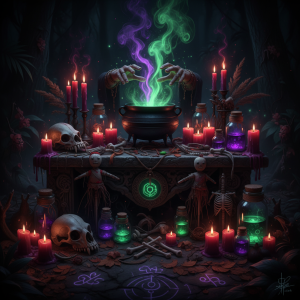 Protection spells: Rituals intended to shield a person, home, or family from negative energy, spiritual harm, jealousy, or misfortune.
- Love spells: Spiritual work focused on attracting love, strengthening a relationship, healing emotional wounds, or encouraging harmony.
- Cleansing spells: Rituals used to remove unwanted energy, spiritual blockages, bad luck, or emotional heaviness.
- Prosperity spells: Practices aimed at attracting abundance, business success, financial opportunity, or career progress.
- Healing spells: Rituals performed for emotional, spiritual, or physical healing, often alongside prayer and community support.
- Justice spells: Spiritual work asking for truth, fairness, protection from enemies, or resolution in difficult situations.
Ethical practitioners usually emphasize consent, responsibility, and respect. Many discourage rituals meant to manipulate, dominate, or harm another person.
Tools Used in Voodoo Rituals
Voodoo spells may involve different sacred objects and ritual tools. These tools are not random decorations; each one can carry symbolic or spiritual meaning.
Common ritual items may include:
- Candles to represent light, prayer, intention, or spiritual communication.
- Herbs and roots for cleansing, attraction, protection, or healing.
- Offerings such as food, drink, flowers, perfume, or coins.
- Altars used as sacred spaces for prayer, devotion, and spiritual focus.
- Veves or sacred symbols drawn to invite or honor specific spirits.
- Drums, songs, and chants used to create spiritual connection and ritual energy.
The meaning of these items depends on the specific tradition and the spiritual purpose of the ritual.
Voodoo Dolls: Myth vs. Reality
One of the biggest misconceptions about voodoo spells is the idea of the “voodoo doll.” Popular media often presents dolls as tools used to hurt people. This image is exaggerated and misleading.
In some spiritual practices, dolls, figures, or personal objects may be used symbolically. They can represent a person, intention, prayer, healing request, or protective work. They are not automatically harmful, and they are not the central feature of most Vodou traditions.
The Hollywood version of voodoo dolls has done a lot to distort public understanding of Voodoo and Vodou. In real spiritual contexts, ritual objects are usually treated with seriousness, respect, and purpose.
Are Voodoo Spells Dangerous?
Voodoo spells are not inherently dangerous. Like many spiritual practices, their meaning depends on the intention, context, and practitioner. A ritual for protection, cleansing, or healing is very different from a ritual meant to control or harm someone.
The greater danger often comes from misinformation, fear, exploitation, and unethical spiritual services. Some people may claim guaranteed results, demand large amounts of money, or use fear to pressure clients. It is wise to be cautious of anyone who promises instant miracles or threatens spiritual punishment if you do not pay.
A respectful approach to Voodoo means recognizing it as a living spiritual tradition, not a fantasy or a shortcut for controlling life.
How to Approach Voodoo Respectfully
If you are interested in learning about voodoo spells or Vodou spirituality, respect is essential. These traditions are connected to real communities, histories, ancestors, and sacred practices.
Here are a few respectful guidelines:
- Learn from credible sources, practitioners, historians, or cultural educators.
- Avoid treating Voodoo as entertainment, horror, or a quick-fix magic trick.
- Do not copy sacred rituals without understanding their meaning.
- Be cautious of online spell services that promise guaranteed results.
- Respect the difference between curiosity and appropriation.
- Understand that authentic spiritual practice often requires guidance, patience, and responsibility.
Voodoo Spells for Protection and Cleansing
Protection and cleansing are among the most commonly discussed forms of spiritual work. These rituals may be used to clear negative energy, create peace in the home, or strengthen a person’s spiritual boundaries.
A simple non-appropriative cleansing practice may include lighting a candle, saying a prayer, cleaning your space, opening windows, and setting a clear intention for peace and protection. This kind of practice does not claim to replace traditional Vodou rituals, but it can help people create a mindful moment of reflection.
For deeper spiritual work, it is best to consult a knowledgeable and ethical practitioner within the tradition.
Love and Relationship Voodoo Spells
Love spells are among the most searched topics related to voodoo spells. People often look for rituals to attract love, bring back a partner, or heal relationship pain.
However, love spellwork raises important ethical questions. Trying to control another person’s feelings or choices can be harmful. A healthier spiritual approach focuses on self-love, emotional healing, attracting compatible love, and building honest communication.
Instead of asking how to force someone to love you, a more ethical intention might be: “May I attract a loving, respectful, and mutual relationship.”
Prosperity and Luck Spells
Prosperity spells are often performed with intentions related to money, business, work, or opportunity. In spiritual traditions, prosperity work may involve prayer, offerings, candles, herbs, and gratitude.
It is important to remember that spiritual rituals are not a replacement for practical action. A prosperity ritual may support focus and motivation, but it should go hand in hand with planning, discipline, skill-building, and wise decision-making.
Choosing a Voodoo Practitioner
If you decide to seek help from a spiritual practitioner, take time to choose carefully. A trustworthy practitioner should communicate clearly, respect your boundaries, and avoid using fear as a sales tactic.
Be cautious if someone:
- Guarantees impossible results.
- Demands more money after frightening you.
- Claims you are cursed without explanation.
- Pressures you to act immediately.
- Says only they can save you.
- Encourages harm, revenge, or manipulation.
A genuine spiritual guide should help you feel informed, respected, and grounded.
Final Thoughts
Voodoo spells are often surrounded by mystery, fear, and misunderstanding. But behind the myths is a complex set of spiritual traditions shaped by African heritage, resilience, community, and sacred practice.
Whether you are researching voodoo spells for cultural learning, spiritual curiosity, or personal interest, the best approach is respect. Avoid stereotypes, question sensational claims, and remember that authentic spiritual traditions deserve to be understood with care.
FAQs
Are voodoo spells real?
Many people believe voodoo spells are real within their spiritual and cultural worldview. Others view them symbolically or psychologically. Their meaning depends on the tradition, practitioner, and personal belief.
Are voodoo spells evil?
No. Voodoo is often misrepresented as evil in movies and popular culture. In real traditions, rituals may focus on healing, protection, guidance, community, and honoring ancestors.
What is a voodoo doll used for?
A voodoo doll is commonly misunderstood. In some spiritual practices, dolls or figures may be used symbolically for healing, prayer, protection, or intention-setting, not simply for harm.
Can voodoo spells bring back love?
Some practitioners offer love-related spiritual work, but ethical practice should not focus on forcing or controlling another person. Healthier intentions involve healing, attraction, mutual love, and emotional clarity.
Is Vodou the same as Voodoo?
Not exactly. Haitian Vodou, Louisiana Voodoo, and West African Vodun are related but distinct traditions with different histories, practices, spirits, and cultural contexts.
In conclusion, Rania, the traditional healer, is presented as someone who offers help to people facing different challenges in life. Through his knowledge, experience, and use of traditional healing practices, he gives hope to those who may feel lost or troubled. Rania’s work shows the importance of trust, faith, and cultural beliefs in solving personal problems. Therefore, Rania’s role as a traditional healer can be seen as a source of guidance, support, and healing for the people who seek her help. So contact us now
Table of Contents
Toggle
Be the first to comment