Across cultures and centuries, people have created cleansing rituals to wash away what feels heavy, impure, or spiritually unsettling. These rituals may involve water, smoke, prayer, fasting, herbs, silence, or symbolic acts of release. While their forms differ widely, they often share a common purpose: to restore a sense of balance, clarity, and renewal.
Cleansing Rituals: Why People Practice Them and What They Mean
Cleansing rituals are not only about physical cleanliness. They often represent a deeper desire to reset the mind, heart, body, or spirit. For some, cleansing is religious and sacred. For others, it is personal, emotional, or cultural. In every case, the ritual creates a pause – a deliberate moment to let go of what no longer belongs and make space for what is needed next.
The Meaning Behind Cleansing Rituals
At the heart of Cleansing rituals is the idea that human beings carry more than dust and dirt. We also carry stress, grief, guilt, fear, exhaustion, and emotional residue from daily life. Ritual cleansing gives these invisible burdens a visible form. By doing something concrete – bathing, lighting incense, washing hands, sweeping a room, speaking a prayer – people turn inner renewal into an outward act.
This is part of why cleansing rituals can feel powerful. They give shape to transition. A person may cleanse before prayer, after illness, at the start of a new year, after conflict, or when entering a new phase of life. The ritual marks a boundary between before and after.
Forms of Cleansing Rituals
Cleansing rituals take many forms, depending on tradition, belief, and intention.
Water cleansing
Water is one of the most universal symbols of purification. Bathing in rivers, washing hands, sprinkling holy water, or taking a ritual bath can symbolize rebirth, healing, and release. Water suggests movement – it carries things away and leaves freshness behind.
Smoke and incense
In many traditions, smoke is used to cleanse spaces, objects, or people. Incense, resins, or sacred herbs may be burned as a way of purifying the environment and shifting its atmosphere. The rising smoke often symbolizes prayers, burdens, or negative energy being lifted away.
Prayer and spoken words
Some cleansing rituals rely on language rather than substances. A spoken blessing, confession, chant, or prayer can function as a form of inner purification. Words help name what is being released and what is being invited in – peace, protection, forgiveness, or strength.
Fasting and abstinence
Cleansing can also come through restraint. Fasting from food, noise, distraction, or harmful habits is a way of emptying oneself in order to become more attentive and disciplined. In this sense, cleansing is not only removal but preparation.
Home and space cleansing
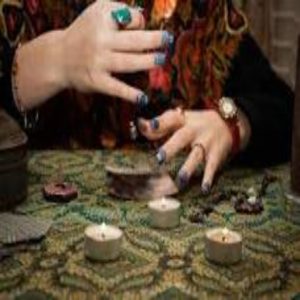 People also cleanse places. Sweeping floors, opening windows, decluttering rooms, or blessing a doorway can carry symbolic meaning beyond housekeeping. A clean space often reflects a desire for a clear mind and a calmer life.
Why Cleansing Rituals Still Matter Today
Modern life is noisy, fast, and mentally crowded. Even for people who are not religious, cleansing rituals still hold appeal because they offer structure, intention, and emotional release. They slow people down. They create a sense of order when life feels chaotic. They turn self-care into something mindful rather than automatic.
A cleansing ritual can be as simple as washing your face at the end of a hard day while consciously deciding to let go of tension. It can be journaling and then tearing up the page. It can be cleaning a room before beginning new work. The power often lies less in the object used and more in the meaning attached to the act.
Cultural Respect and Responsibility
Because cleansing rituals are rooted in many different cultures and religions, they should be approached with respect. Not every ritual is interchangeable, and not every sacred practice should be borrowed casually. Learning where a ritual comes from, what it means, and who holds it sacred is an important part of honoring it.
Respect also means avoiding the idea that one ritual works like a magical shortcut. For many communities, cleansing practices are tied to history, discipline, community, and belief. They are meaningful because they belong to a larger spiritual or cultural world.
Conclusion
Cleansing rituals endure because they speak to a timeless human need: the need to begin again. Whether practiced in a temple, a home, by a river, or in quiet solitude, these rituals remind people that renewal is possible. They offer a way to release what is heavy, restore what feels scattered, and step forward with greater intention.
In that sense, cleansing is not just about becoming clean. It is about becoming ready.
N.B Fixing these Cleansing Rituals challenges
Rania’s Cleansing Rituals aim to totally remove negativity and obstacles blocking love love. By purging harmful energies, physic create a welcoming space for new love to enjoy and existing relationships to strengthen, ensuring that your heart and home are filled with positivity and warmth. just contact us.
Table of Contents
Toggle